Working in Biomolecular & Cell Technologies in the Netherlands

The Netherlands offers a thriving environment for professionals in biomolecular and cell technologies, with world-class education, diverse career paths, and concentrated innovation hubs. Strong government backing through €1.3 billion in national funding, specifically allocated to public-private partnerships, supports talent development and job growth across the sector, alongside other financial instruments.
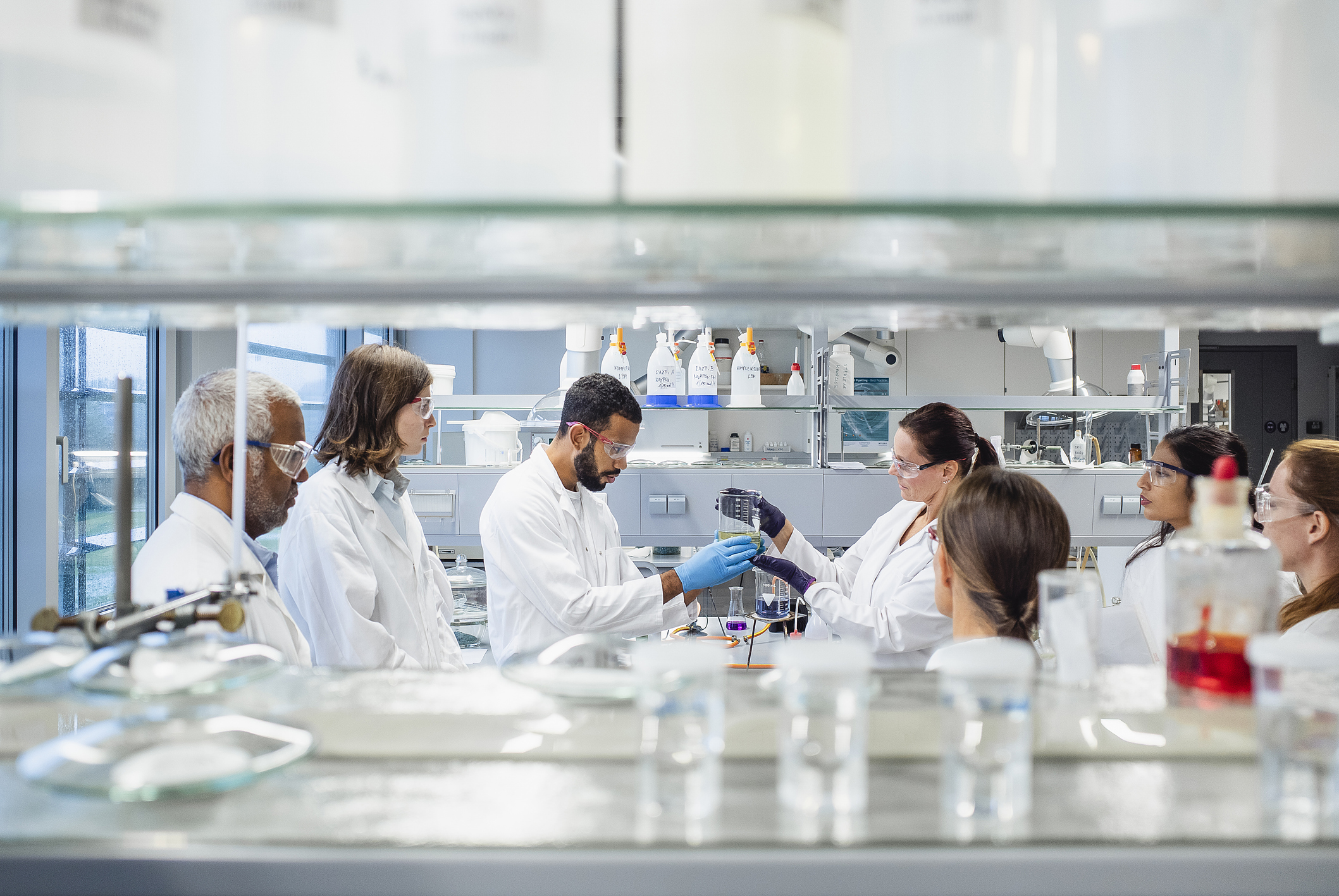
Researchers working together in a lab

Qualifications & University Programmes

Dutch universities offer MSc and PhD programs tailored to biomolecular and cell technologies, blending research with industry relevance. Key programs include Utrecht University’s MSc in Molecular and Cellular Life Sciences (specialisations such as Genes to Organisms and Biophysics in collaboration with the Bijvoet Centre); Leiden University's MSc in and Bio-Pharmaceutical Sciences, Molecular Genetics &, Biotechnology track, plus Biology and Biomedical Sciences with hands-on lab training. These join other leading offerings like Life Science & Technology MSc programs at Delft-Leiden and Wageningen, preparing graduates for biotech innovation.

When Lori Goff reflects on science communication challenges, she argues the biotech industry must take responsibility for making complex topics accessible. "There's too much expectation on the individual to educate themselves on every topic," she says. 

"It is completely our responsibility to create good sources of information and simplify it, we should make the messaging fun, funny even, so people can enjoy learning about, and engaging with, biotechnology."

Lori Goff, Founder Outlander Materials 

VU Amsterdam focuses its Biomolecular Sciences MSc on diseases such as cancer, with two research projects through the Amsterdam Institute. Groningen and Wageningen add specialisations in synthetic biology and biobased tech.

Applicants must hold a relevant undergraduate degree, a minimum GPA of 7.0/10, IELTS 6.5 or higher, and a lab background. For the 2025–2026 academic year, EU students pay €2,601 in tuition, while non-EU students pay fees that range from €16,450 to €24,900. PhD programs in the Netherlands typically span four years, supported by structured research schools such as Utrecht's Institute of Biomembranes. These programs feed directly into high-demand roles.


Available Roles

The sector employs 50,000+ amid talent shortages, offering competitive pay and English-speaking environments with relocation support. "People who come up with their own questions and are engaging  as if they're interviewing us to find the right company for themselves, that has been one of the largest indicators of the right person," says Lori Goff of Outlander Materials.

R&D roles, such as scientists and technicians, earn between €45,000 and €120,000 at organisations like Genmab, uniQure, and the Hubrecht Institute. Pay scales for manufacturing roles at DSM and Novartis fall within the €35,000 to €85,000 range.

Monitoring the Leiden Bio Science Park's dedicated job portal launched in April 2024, Thijs Remijn observes strong demand for hybrid commercial roles that require both scientific understanding and business acumen. 

"The thing with those commercial roles is that you're looking for people who have sort of enough scientific backgrounds to understand the product or service. But have the commercial acumen to really bring that to market, basically. And those are two different skill sets,"

Thijs Remijn, Project Leader Human Capital Agenda, Leiden Bio Science Park
 

These rare beta-plus-communication profiles remain challenging to source. Thijs also highlights the Dutch manufacturing hiring divide: "A lot of the new and emerging roles are for professionals that are able to basically create, scale up, and make these types of processes more efficient within the GMP manufacturing space," while "hands-on staff doing the work will probably be found more locally and educated [at] vocational level." 

Regulatory jobs near EMA Amsterdam earn €40,000-€100,000; clinical roles range from €50,000 to €130,000 through CROs. Emerging fields like bioinformatics (€50,000-€110,000) and business development (€60,000-€150,000) grow rapidly.


Lori Goff
©Sabrina Bongiovnni
“It is completely our responsibility to create good sources of information and simplify it, we should make the messaging fun, funny even, so people can enjoy learning about, and engaging with, biotechnology.”

Key Dutch Regions

The Netherlands features one of the most geographically concentrated life sciences clusters globally. Over 100,000 work in major innovation hubs within a 2.5-hour radius, specialising yet collaborating closely. Each region has developed distinct specialisations while maintaining strong interconnections. 

Leiden Bio Science Park (LBSP)

As the Netherlands' oldest biotech cluster, Leiden Bio Science Park serves as a launchpad for high-growth firms like Vico Therapeutics. Thijs Remijn, Project Leader for the Human Capital Agenda, emphasises the park's vibrant networking ecosystem: "Within the Leiden Bio Science Park ecosystem, our organisation, but also the different companies and educational institutes invest a lot of time and effort in various networking events, conferences, seminars specifically on content, and really low threshold networking drinks and opportunities."

"My shout out would be to basically get out there," he advises job seekers, "because a lot of vacancies are maybe not necessarily filled through applying to a position, but more so through your network... If you don't start going out there, creating those networks, then it's going to be very difficult for you to get in."

Thijs Remijn, Project Leader Human Capital Agenda, Leiden Bio Science Park
 

Focused on biopharmaceuticals, diagnostics, green biotech, and medtech, LBSP includes Johnson & Johnson, Bristol Myers Squibb, Pharming Group, Vico Therapeutics which raised $60M in Series B funding, and Batavia Biosciences. Education spans vocational to university levels, with research institutes like Naturalis and LUMC. This dense concentration, combined with frequent conferences, seminars, and informal networking, makes LBSP a model for translating scientific breakthroughs into therapies while building careers through personal connections rather than just online applications.

Utrecht Science Park

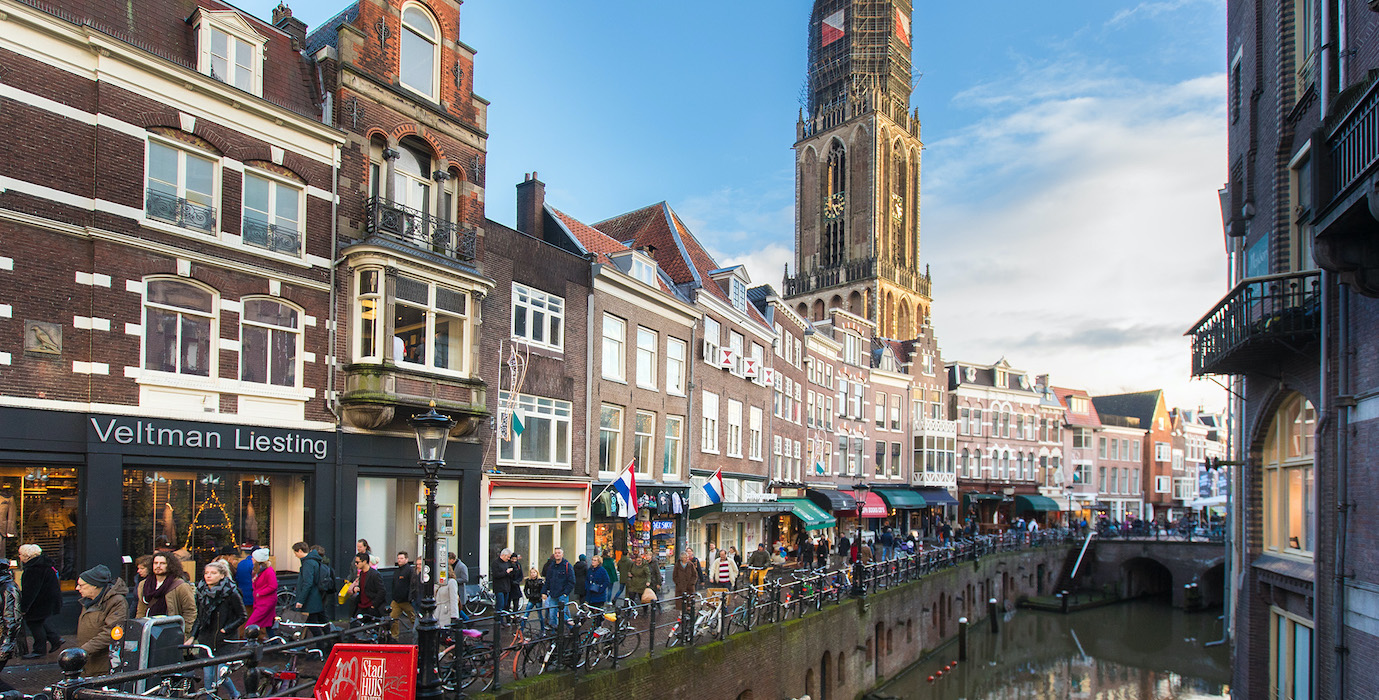
Utrecht complements this with therapeutic specialisation. Utrecht Science Park employs 26,000 across 150+ companies in therapeutics, diagnostics, and organoids. Utrecht University, UMC Utrecht, Hubrecht Institute, and Bijvoet Centre anchor the area, alongside Genmab, Merus, GenDx, Danone Nutricia, and Cergentis.

High Tech Campus Eindhoven

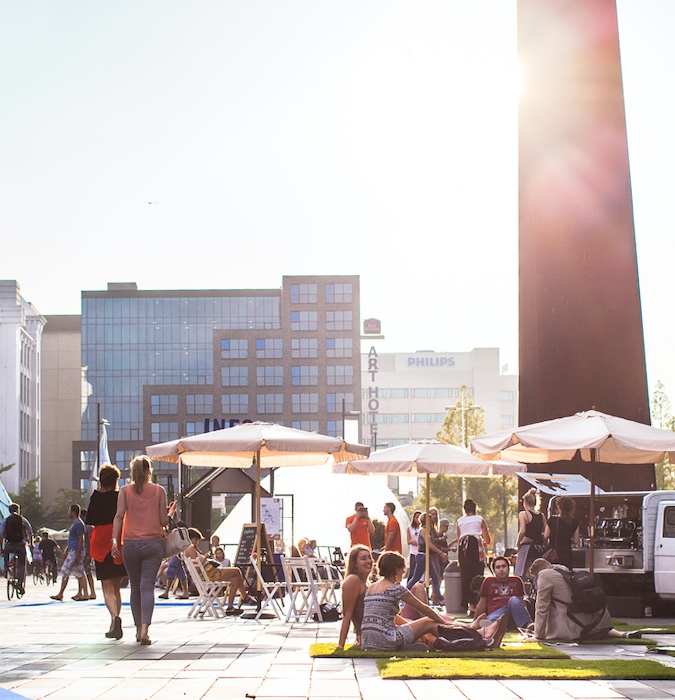
Eindhoven shifts focus to advanced manufacturing.High Tech Campus Eindhoven employs over 12,000 professionals across more than 200 companies specialising in synthetic biology, DNA computing, health technologies, and advanced materials. It generates 40% of Dutch patents, with Philips Healthcare and startups in healthcare, energy, and intelligence.

Amsterdam Science Park

Amsterdam Science Park has housed EMA since 2019, employing over 5,200 individuals across more than 100 companies in regulatory affairs, AI healthcare, and cancer research. It links to VU Amsterdam and UvA for vibrant life sciences activity.

Rotterdam MedTech Region

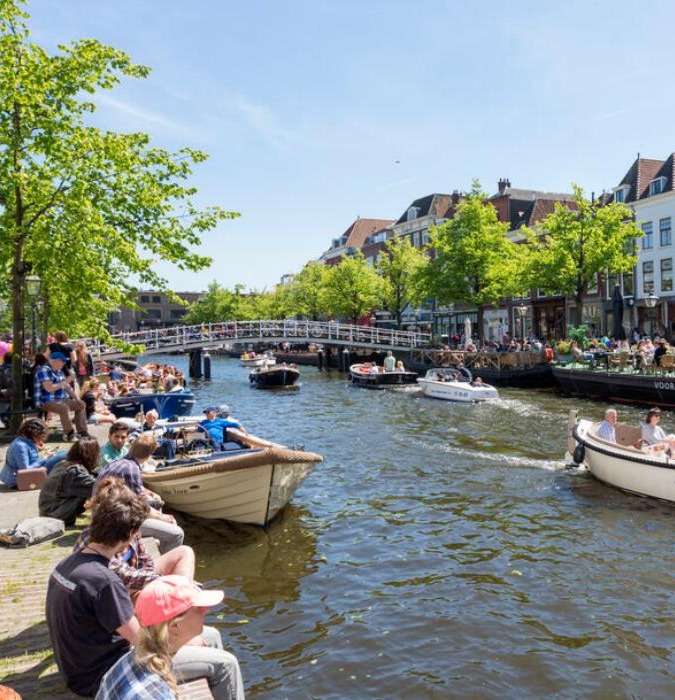
Rotterdam's cluster employs more than 10,000 people in regenerative medicine and diagnostics, supported by Erasmus MC and startups like Minze Health. Port proximity aids biomanufacturing logistics.

Wageningen Biobased Delta

Wageningen focuses on plant biotechnology and sustainable processes, hosting Hudson River Biotechnology and more than 5,000 researchers. Wageningen University drives crop editing and biobased innovation.

 

Entrepreneurship

Through the €246 million Biotech Booster program, the Netherlands has supported more than 71 biotech startup projects since 2022. Regulatory sandboxes and EMA access ease market entry, while 2,000+ life sciences firms benefit from VC like LSP and Forbion. Lori Goff's journey with Outlander Materials exemplifies this supportive ecosystem: Blue City had just opened their lab,  low cost, and accessible, so I could rent space there and build up from there."

"It's meant to be a place where you can get started. People who have come from corporate worlds in their past lives and thestartups help you find your place. If you're just starting out and don't know how to get funding, there are people there to tell you, 'Hey, look at this subsidy.. This is how I was connected to Gemeente Rotterdam and the CityLab010 Grant, which supported Outlander in our first years'" 

she shares. Innovation hubs combine incubation services with strong market growth in precision medicine, expected to reach $2.5 billion by 2032.

"What I think you need as a first-time entrepreneur, especially as a technological entrepreneur, is that you're trained as a scientist and not as a business person. You need play money to learn. Because in the beginning, you know nothing."

Linda Dijkshoorn, Founder & CCO EV Biotech
 

This ecosystem integrates education, employment, regional hubs, and startup support to create meaningful career opportunities within a collaborative and well-funded innovation environment. 

More on Biomolecular & Cell Technologies in NL

To dive deeper, explore our articles on Biomolecular & Cell Technologies and the 10 most important trends. Discover which regions are leading innovation, who the key players are, and where the biggest opportunities for growth, investment, and collaboration are emerging.