10 Most important trends in Process Technology

The Netherlands is experiencing a transformative period in process technology, driven by sustainability goals, digital innovation, and the need to maintain global competitiveness. These 10 key trends highlight innovations driving efficiency, decarbonisation, and circularity across chemical, energy, and manufacturing sectors.
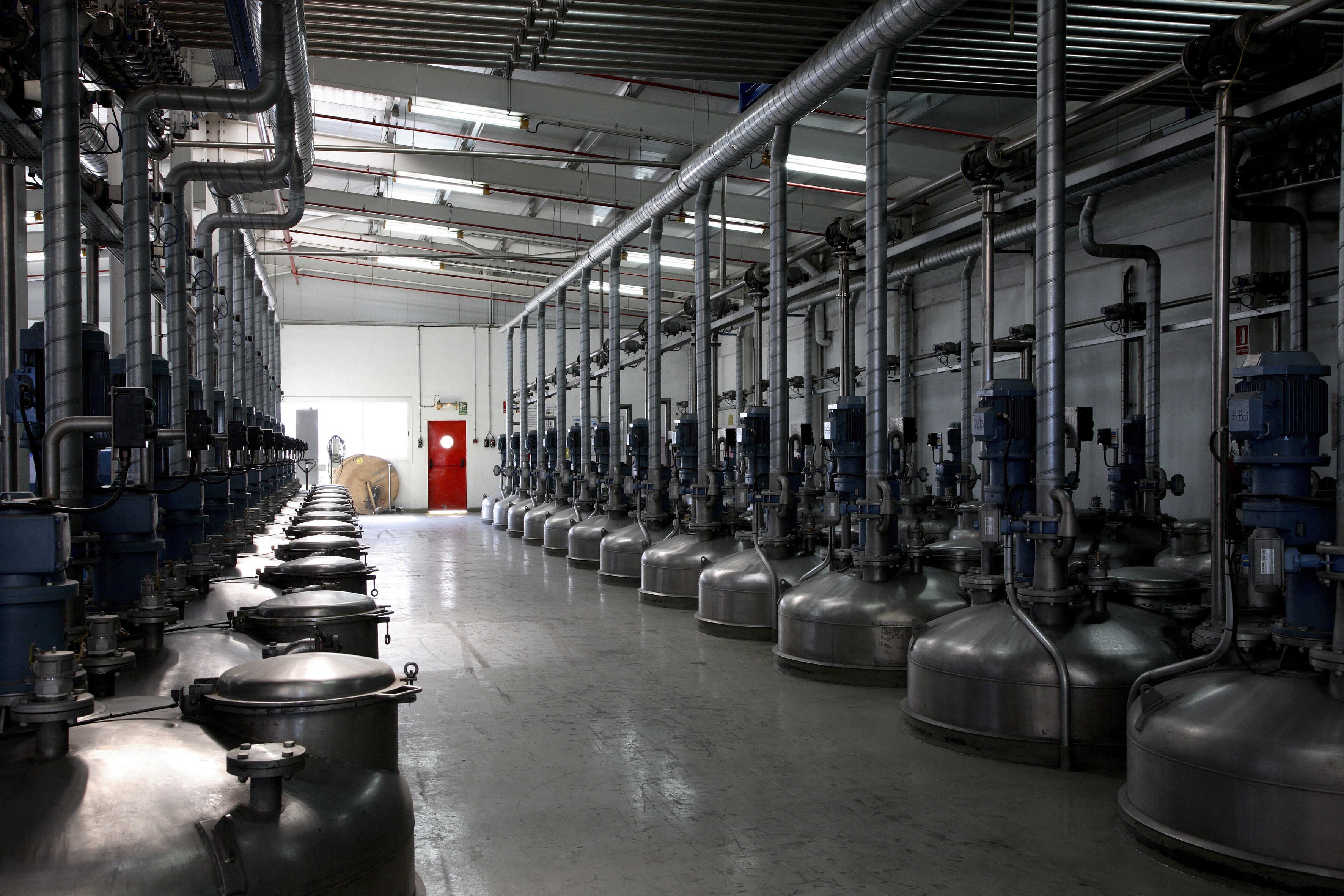
production facility with cylinders
AkzoNobel

1. Process Intensification (PI)

Process intensification achieves up to twice the efficiency by using compact multifunctional reactors, microreactors, and integrated alternative energy systems. Dutch institutions drive the European Roadmap, which identifies 72 PI technologies. 

Dutch firms co-invest in shared PI test rigs rather than duplicate facilities, achieving commercialisation 2-3 years faster than global competitors. The country contributed to a 60% drop in EU chemical industry energy intensity from 1990 to 2015, with annual investments surpassing €500 million and widespread adoption projected by 2030. Digital tools accelerate these efficiency gains.
 

2. Digital Twins & Advanced Analytics

Digital twins enable precise virtual replicas for optimisation and predictive maintenance, delivering 15-25% productivity gains. The Netherlands digital twin market hit €12.5 billion in 2024, growing at a 35.8% CAGR. TNO's 7-step methodology supports companies like Shell, ASML, and Philips, with the Energy Transition Campus Amsterdam advancing energy-focused applications.

3. Electrification of Industrial Processes

More than 60% of industrial energy demand is already met through electrification technologies such as heat pumps (up to 200°C), electric boilers (up to 500°C), and arc furnaces (up to 1,800°C), with projections reaching 90% by 2035.

Dow and Shell pioneer electric steam crackers, slashing 90% of scope 1 emissions cost-effectively. A €750 million EU-approved Dutch scheme accelerates decarbonisation investments.
 

4. Green Hydrogen Integration

The HyScaling project aims to deliver 5 gigawatts of electrolysis by 2030, cutting green hydrogen costs by 25-30%. The Dutch industry consumes over 500 kilotons annually for refineries, ammonia, and steel.

HyScaling aims for 5 gigawatts of electrolysis capacity by 2030, reducing green hydrogen costs by 25-30%. The Dutch industry consumes over 500 kilotons annually in refineries, ammonia, and steel production.

Tata Steel integrates it into direct reduced iron plants, backed by a €1.1 billion hydrogen network linking industrial clusters.
 

5. AI-Driven Process Optimisation

AI adoption reached 22.7% of Dutch manufacturers in 2024, ranking sixth in the EU, powering advanced control, maintenance, and supply chain optimisation.
Antony Cyril Arulrajan sees this momentum building firsthand in the north. "What I know from seeing around Groningen now," he shares, "is that there is going to be a new AI hub with supercomputing options. So they are also going to develop a lot of models for automation and artificial intelligence."
National programs showcase autonomous systems such as Yokogawa's distillation towers, which operate without human input while upholding quality. European manufacturing reports 63% gains in productivity from AI adoption.

National programs showcase autonomous systems such as Yokogawa's distillation towers, which operate without human input while upholding quality. European manufacturing reports 63% gains in productivity from AI adoption. Circularity complements digital optimisation.
 

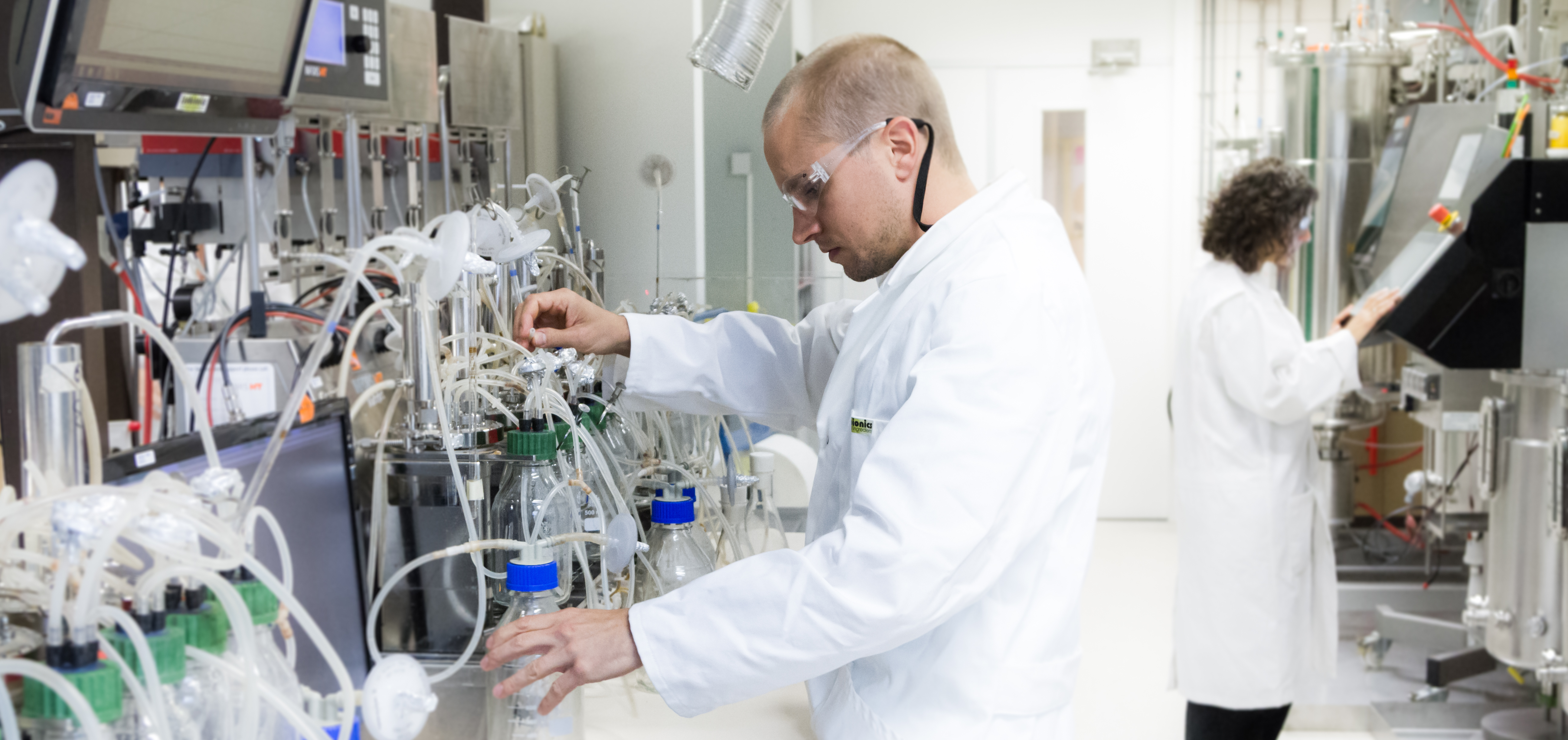
Lab process work
Isobionics Dols fotografie
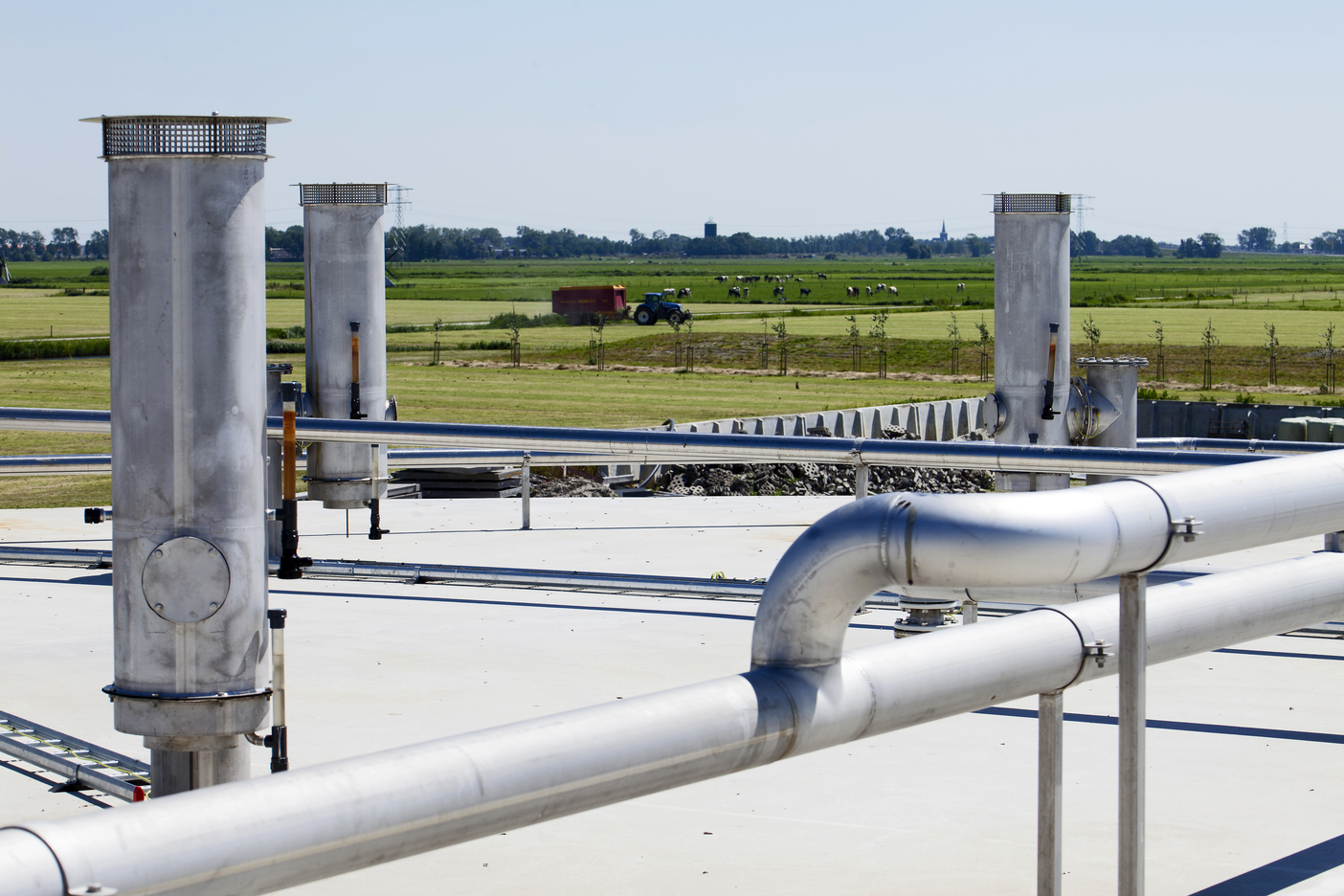
Biogas Leeuwarden

6. Circular Economy & Resource Recovery

The Netherlands aims to reduce the use of primary raw materials 50% by 2030 and achieve full circularity by 2050, backed by €750 million government investment.

Marco Waas emphasises rethinking fundamentals. "If you want to build a circular economy, then value chains are very important," he explains. "You have to look at the value chains from the beginning to the end, and we have to rebuild or redesign those value chains that we've been building for the last few hundred years."

Research consortiums lead waste-to-material projects, while the University of Twente advances separation tech. Dutch companies achieve a 25-50% reduction in material cost through circular economy innovations and resource recovery technologies.
 

7. Industrial IoT & Smart Manufacturing

Industrial IoT attracts over €3 billion in investments, integrating asset analytics, energy management, and advanced process control across Dutch manufacturing.

Brainport Eindhoven, Europe's smart hub with 5,000 tech firms, generates 2% of worldwide patents. Connected systems yield 30% productivity gains via real-time optimisation.
 

8. Sustainable Process Technologies

Investments in climate solutions almost doubled from €23 billion to €41 billion between 2019 and 2023, driving transitions across energy, materials, and food sectors.

TNO and research institutes focus on efficiency, waste heat recovery, membranes, and hydrogen. Firms secure 25-60% energy cost reductions with these implementations.
 

9. Robotics & Automated Process Control

Annual investments of €200–400 million in robotics support the development of autonomous and collaborative robots for material handling, palletising, and assembly operations.
Antony Cyril Arulrajan highlights this evolution. "Conventionally with process technology, it's all about developing the process and making it a beautiful system with all the manual controls," he explains. "But currently most European companies went for complete automation with 100% sensor-based feedback, something not very common outside Europe."

"That means if a process technology guy also has knowledge in IT or sensor integration, that will be a very big plus," Antony continues. "They can understand, even if they don't do it, they can explain what to do to someone who is. This bridges two different experts." KV-Techniek delivers turnkey solutions with AI integration. Automation cuts labour costs 20-35% while enhancing quality control.
 

10. Carbon Capture & Utilisation

Rotterdam Port pioneers CCS storing industrial CO₂ in the North Sea through €500 million+ projects creating €2 billion yearly revenue.

Tata Steel's Steel2Chemicals initiative converts CO₂ into chemicals while Northern Netherlands develops Europe's first integrated hydrogen capture cluster.

"All our technologies focus on getting rid of fossil as a feedstock, either capturing carbon from CO₂, recycling it, or going bio-based as we do," shares Joost Paques, Co-founder and MD of Paques Biomaterials. "The growing need for industries to shift toward bio-based and sustainable products drives this transition."

These trends, with over €50 billion in combined investments, succeed because the Netherlands’ shared platforms, joint testbeds, and consortium mandates create compounding advantages no competitor can match alone. Synergies across AI, electrification, and circularity unlock efficiency and sustainability gains for industries worldwide.
 

More on process technology in NL

To dive deeper, explore our articles on process technology and working in the industry.