Working in Process Technology in the Netherlands

The Netherlands offers a thriving ecosystem for process technology professionals, combining world-class education, diverse career paths, competitive salaries, and strategic regional hubs. With over €50 billion in investments and strong public-private partnerships, the country attracts global talent seeking impactful roles in sustainable industrial innovation.
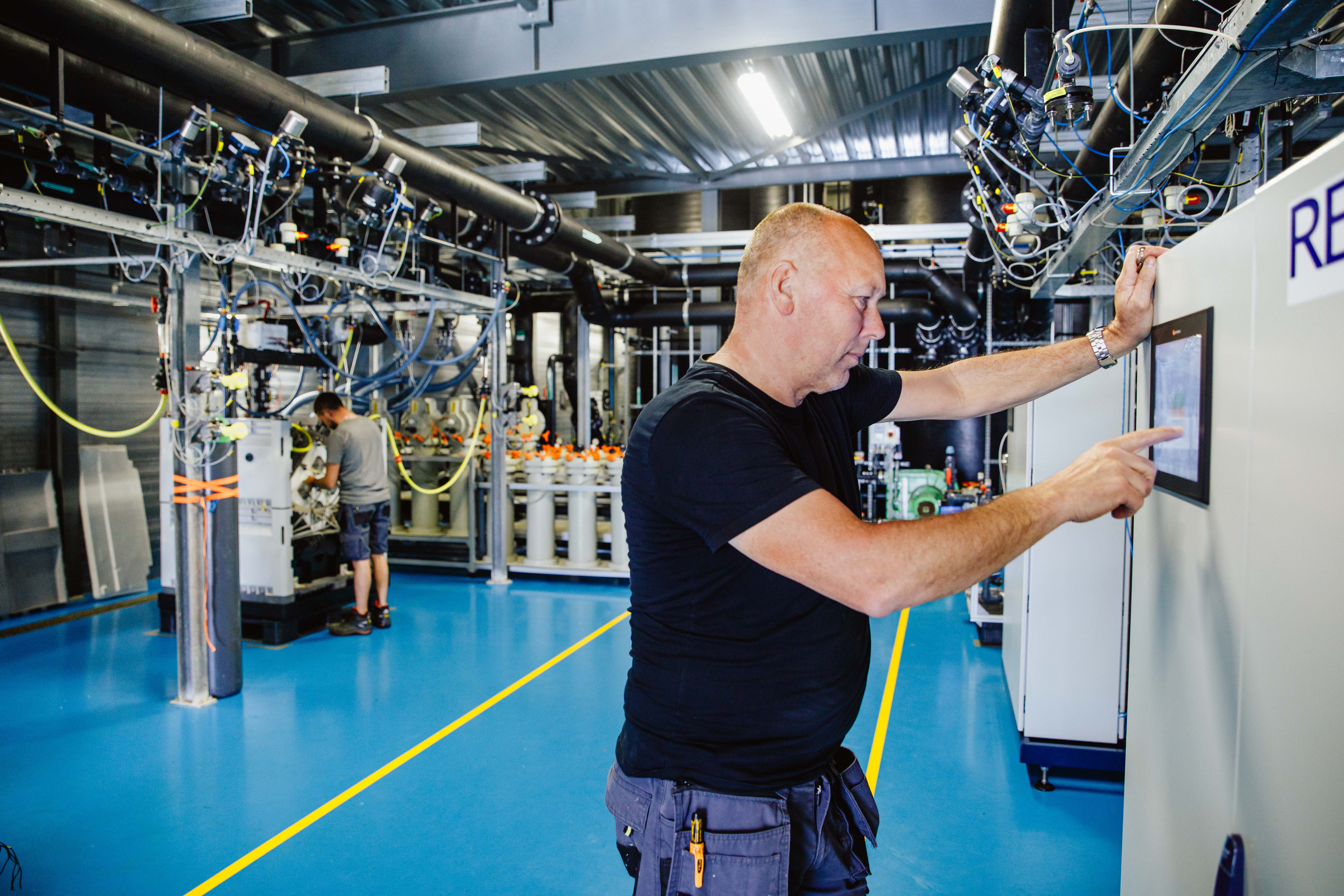
REDstack employee checks a laboratory research solution.
Marieke Kijk in de Vegte

Qualifications & University Programmes

Dutch universities offer top-tier process technology programs with industry co-designed curricula creating guaranteed employment pipelines. Antony Cyril Arulrajan discovered this firsthand when he arrived from India in 2015. "I came back in 2018 to do my PhD at Leeuwarden's Water Campus through Wetsus research institute and Wageningen University," he shares. Initially focused on drinking water technologies as a chemist, he began applying chemical knowledge to process engineering during his studies.

The transition proved powerful. "I'm a chemist by education, so I know chemical molecules that aren't commonly known  for process engineers," Antony explains. During his PhD, he started validating novel materials for water treatment processes, selectively removing ions while leaving others intact. "This chemist-process bridge became our startup foundation," targeting waste streams from textile industries before pivoting to lithium recovery with co-founders.

University-company steering committees ensure these programs meet real industry needs. The University of Twente trains 500+ professionals through specialised Process Technology modules. Eindhoven University of Technology, University of Groningen, 4TU EngD, and The Hague University deliver practical skills that seamlessly transition graduates into Shell, DSM, and Tata Steel production lines. Antony's journey shows how Dutch universities transform international chemists into process technology innovators. Graduates enter high-demand roles immediately.
 

Available Roles

Process engineering dominates with over 1,000 LinkedIn positions at Shell, DSM, Dow, and Tata Steel, focusing on optimisation, equipment design, and safety compliance. Career progression naturally leads to senior project leadership roles requiring eight-plus years of experience in managing large-scale industrial projects. This diverse ecosystem attracts international professionals through shared talent pools and cross-company secondments.

Seven years ago, Cindy Achieng, a Kenyan chemical engineer, arrived in the Netherlands armed with her credentials and a passion for sustainable tech. She dove into the dynamic job market, quickly finding her stride working with startups and scale-ups such as Paques Biomaterials. Today, she develops biopolymers from innovative waste streams, turning challenges into valuable resources.

What sets the Dutch ecosystem apart for her? "In the Netherlands, there's something called open application," Cindy shares. "I didn't see that in other countries I lived in. Direct applications get considered, even without advertised positions. And that usually works, especially in startups and scale-up companies." This unique approach unlocked her career pathways, proving the ecosystem rewards proactive talent with niche expertise and global perspectives.

Process operators with VAPRO certification support production at firms like Elestor, while shared R&D centers provide cross-company innovation roles. This interconnected talent market accelerates career mobility across the ecosystem. Process technology engineers design and optimise equipment for sectors such as semiconductors, pharmaceuticals, and renewable energy.

"One thing that I see in the Netherlands is that almost every company works on a very niche product or project. And they look for very specific expertise from the students or the engineers," says Antony Cyril Arulrajan, Founder & CTO of IonIQs. "In that sense, if you already have some experience, try to upskill and focus on specific companies who work on something related to that. Then you are valued more than randomly applying to every other company." This interconnected talent market accelerates career mobility across the ecosystem.

Entry-level process engineers typically earn between €45,000 and €55,000 annually. Senior professionals earn between €65,000 to €85,000, and salaries for managers can reach up to €110,000 or more. These competitive salaries reflect high demand in sustainable technology sectors.

Entry-level process engineers typically earn between €45,000 and €55,000 annually. Senior professionals earn between €65,000 to €85,000, and salaries for managers can reach up to €110,000 or more. These competitive salaries reflect high demand in sustainable technology sectors.
 

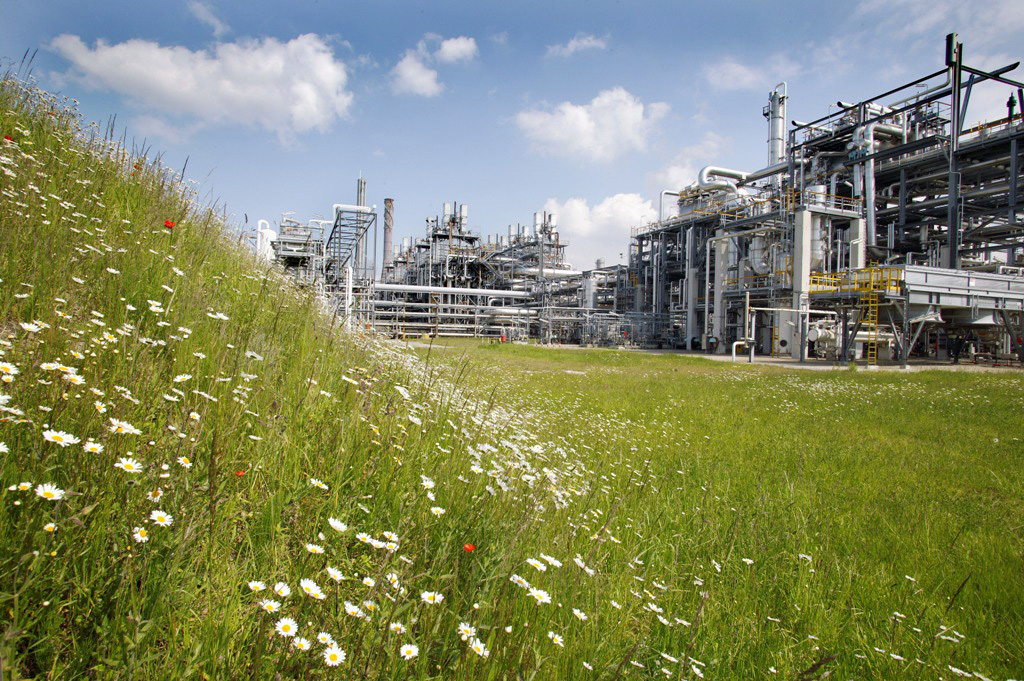
DOW chemical factory
DOW
“In that sense, if you already have some experience, try to upskill and focus on specific companies who work on something related to that. Then you are valued more than randomly applying to every other company.”

Key Dutch Regions

The Netherlands concentrates process technology expertise in specialised regional clusters, where companies literally share utility infrastructure and workforce training programs. Each region also offers unique infrastructure, companies, and innovation focus for professionals and entrepreneurs.

Randstad Region

Home to 8.2 million people, Randstad generates over 50% of the Netherlands' total GDP. Europe's largest port, Rotterdam, handles over 400 million tonnes of cargo annually and hosts major companies such as Shell, BP, and ExxonMobil, which drive green transformations through joint utility networks that reduce individual CapEx by 30%.

Rotterdam Port Area

Rotterdam drives this regional leadership leading process technology innovation with knowledge-intensive complexes that use green raw materials and smart solutions. The port transforms traditional petrochemical operations into sustainable hubs through electrification and carbon capture projects.

Amsterdam Region

Amsterdam Science Park advances AI, digital innovation, sustainability, and high-tech materials. The AMS-IX data hub supports process optimisation through advanced analytics and digital twin technologies.

Brainport Eindhoven

Eindhoven complements with high-tech manufacturing. Recognised as Europe's leading innovation hub, Brainport Eindhoven brings together more than 5,000 technology companies and nearly 73,000 professionals, contributing to around 2% of global patent output. The High Tech Campus employs 11,000 researchers from 85 nations across ASML, Philips, and NXP.​

Known as Europe's "smartest square kilometre," the campus accelerates process technology through AI, robotics, and semiconductor integration. A diverse international talent pool is a key driver behind breakthrough innovations in sustainable manufacturing.

Northern Netherlands (Groningen-Delfzijl)

The Delfzijl Chemical Cluster unites 18 companies that produce 15% of national chemical output across 468 hectares, with Nobian, Nouryon, and OCI utilising wind, biomass, and hydrogen energy.

Marco Waas, Nobian's CTO and Sustainability Leader, champions these hubs' strategic value."We have about five or six very strong industrial clusters," he explains, "and when new companies want to develop and go from pilot to demo to main plant, they can go to an existing cluster where there is energy, water, utilities, permits, waste management, and talented people." Delfzijl positions itself as Europe's first regional hydrogen cluster, integrating green hydrogen production with chemical manufacturing.

Zeeland (Southwest Netherlands)

Valuepark Terneuzen anchors major chemical operations within the Antwerp-Rotterdam-Rhein-Ruhr mega-cluster, ranking among the world's top 5 chemical regions. The area supports cross-border process technology synergies. 
Entrepreneurship

Dutch startups raised €3.1 billion in 2024 VC funding, with deeptech securing €1.1 billion to power process technology breakthroughs. Government scaling grants require consortium formation, ensuring shared innovation benefits the entire ecosystem rather than individual dominance. This collaborative approach finds its purest expression in northern Netherlands, where Joost Paques, co-founder and managing director of Paques Biomaterials, chose Balk in Friesland and Emmen for their green chemistry ecosystems.

"This green chemistry ecosystem in the north of the Netherlands,  Chemport Europe, is already a reason for international founders to come here,” Joost explains. The network unites government, education, and private companies in the green chemistry transition,from subsidies to shared value chains and innovation campuses.

Joost points to the monthly PHA expertise center meetings as perfect examples. "We have 14 parties that signed up to join us every month, not with a preset agenda, but just meeting, having coffee, working side by side. When people come together like this, they naturally find ways to cooperate." This organic collaboration accelerates the shift from fossil feedstocks to bio-based alternatives, creating unmatched opportunities for international founders entering Dutch process technology.

ISPT coordinates energy and circularity projects through public-private partnerships. Innovation hubs like DeepTechXL, Brightlands campuses, and accelerators such as Plug and Play Tech Centre provide deeptech founders with funding, infrastructure, and market access.​

This shared-progress philosophy multiplies startup success rates as access to pre-built infrastructure, joint regulatory approvals, and collective market intelligence creates unbeatable scale-up advantages. These startup successes ride emerging trends.

Process technology experts find unparalleled prospects in the Netherlands' collaborative innovation culture, strategic location, and robust support infrastructure. Engineers, researchers, and entrepreneurs find unmatched career acceleration and quality of life, positioning the country as Europe's premier destination for sustainable industrial careers.


More on Process Technology in NL

To dive deeper, explore our articles on Process Technology and the 10 most important trends.